
"half shade"
2000 article(s) found

Panamanian Coffee Flavor description, Grinding degree, Taste, characteristics of varieties, introduction of Fine Coffee beans
La Mula is a dense forest, with huge shade trees covering most of the planting area. There is also a second layer of shade trees that grow lower than them, and under this vault are rosy summer coffee trees that have a unique flavor because of the environment. Boot tells us that if the cloud period is regular and becomes a regular phenomenon, it shows that it will affect the trees.

Description of EU+NOP flavor of sun-dried beans in Saquarema Farm, South Minas, Brazil
Professional coffee knowledge exchange more coffee bean information please follow the coffee workshop (Wechat official account cafe_style) Brazil South Minas Saquarema farm sun beans EU+NOP coffee was first introduced to Brazil in the early 18th century, in 1727 the Brazilian government sent a personable army officer to mediate the border dispute, secretly brought coffee seeds from French Gaiana back to Brazil
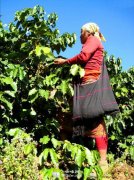
Coffee planting technology
1. The cultivation of strong coffee seedlings 1. The selection of nursery land is close to water source, convenient for transportation, loam or sandy loam with loose and fertile soil, deep soil layer, good drainage, paddy field with PH value of 66.5 or early nursery land, and close to coffee garden. Turn over 20cm30cm meters to make fire and burn the soil, hoe fine and remove stones, branches and roots before sieving, or use mountain humus, add 8

The traditional coffee producing area has made a comeback and changed the way of fine coffee.
The story takes place in Puerto Rico. Puerto Rico used to be a major coffee producing area more than a century ago, but coffee production here has been declining for nearly half a century, and now it is only about 10 million pounds a year, a drop in the bucket compared with the past. the acreage of coffee fell from nearly 200000 acres in the 1960s to about 40,000 acres in 2010. At the same time, coffee exports are even more.
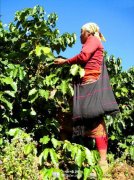
On Coffee planting Technology
1. The cultivation of strong coffee seedlings 1. The selection of nursery land is close to water source, convenient for transportation, loam or sandy loam with loose and fertile soil, deep soil layer, good drainage, paddy field with PH value of 66.5 or early nursery land, and close to coffee garden. Turn over 20cm30cm meters to make fire and burn the soil, hoe fine and remove stones, branches and roots before sieving, or use mountain humus, add 8

Elida Elida Manor in Panama introduces Arida Green Top Rose Summer in Pokuit, Panama.
Professional coffee knowledge exchange more coffee bean information please follow the coffee workshop (Wechat official account cafe_style) Alida Manor (Elida) is located in the western border province of Panama-Chiriqui (Boquete), the province's most famous landmark and tourist attraction is the Baru volcano, which is 3300 meters above sea level, which is Central America.
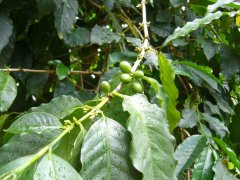
Coffee planting technology: how to make coffee trees grow up quickly? Improve the success rate of planting?
Professional coffee knowledge exchange more information about coffee beans Please follow the coffee workshop (Wechat official account cafe_style) what are the fruits and seeds of coffee? The coffee tree is a tropical plant that belongs to an evergreen shrub that grows at the equator and 25 degrees north and south latitudes, that is, within the Tropic of Cancer. Near the Tropic of Cancer and the equator is the world coffee.

Sun Bean EU+NOP introduction Cup Test score and overall Review of Saquarema Farm in South Minas, Brazil
Professional coffee knowledge exchange more coffee bean information please follow the words of the roaster in the coffee workshop (Wechat official account cafe_style), how to bake Sakuran? How to adjust the baking curve? Recently, we like a bean very much. How did Sakuran get its name? In 2017, Ethiopia's DW raw bean company delivered their coffee beans.

Analysis of the current situation of Brazilian Coffee in 2017 introduction to Saquarema Farm in South Minas, Brazil
For the exchange of professional baristas, please pay attention to the coffee workshop (Wechat official account cafe_style) Coffee was first introduced to Brazil in the early 18th century. In 1727, the Brazilian government sent a personable army officer to secretly bring coffee seeds from French Gaiana to Brazil on the grounds of mediating border disputes. It is said that the governor's wife of French Gaiana was fascinated by the officer at that time.

Description of flavor and taste of coffee beans treated with honey from Costa Rica-Zaragoza (Zaragoza) manor
For the exchange of professional baristas, please pay attention to the coffee workshop (Wechat official account cafe_style) Costa Rica Montcleso (Monte Crisol) region-Zaragoza manor honey-treated coffee Costa Rican coffee is the most stable in Central America, mainly because it grows in the shade of complete trees and cool rainy nights with large temperature differences in the morning and evening.
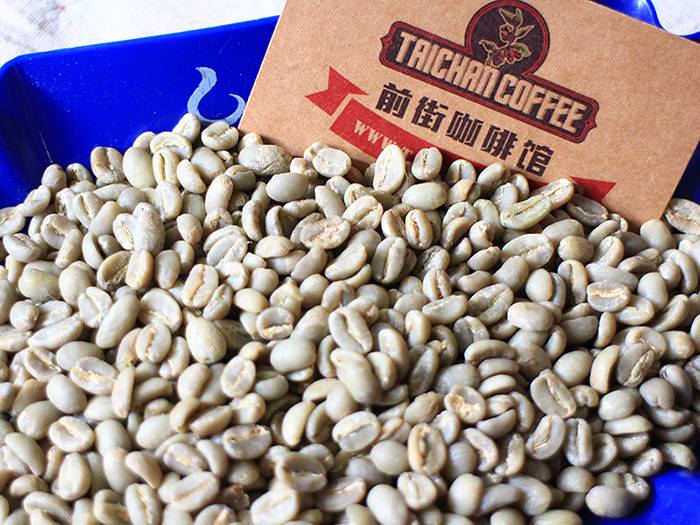
What is half-sun? Brazilian boutique raw beans in season fresh coffee raw beans bourbon species South Minas producing area
Brazil is flat, coffee farms are mostly about 600-1000 meters above sea level, flat and monotonous landforms, lack of micro-climate, and are accustomed to planting unshaded trees, resulting in the development of Brazil's unique soft bean flavor of low sour taste, heavy nutty flavor, chocolate sweet and mellow, but slightly woody and earthy, flower and orange fragrance is not obvious. But the Serrado platform and Nanmi west of Minas

Coffee Different: Fair Trade and Ecological Sustainability
Half a billion people worldwide consume coffee, drinking two billion cups a day; 25 million people produce it. Coffee is the second-largest commodity on the global market after oil, and prices are dominated by futures markets in New York and London

The planting conditions, types and methods of coffee. What are the favorable conditions for coffee cultivation?
Professional coffee knowledge exchange more coffee bean information Please pay attention to the planting conditions of coffee in coffee workshop (Wechat official account cafe_style) Coffee can not be grown in any environment, because it was originally a plant growing in the tropical rain forest, in the process of phylogeny, it forms the habit of requiring calm wind, cool, shady or semi-shaded and humid environment. Therefore, coffee has a good effect on planting conditions.

Guatemalan coffee flavor Guatemala Antigua coffee characteristics Marguerite coffee flavor
The flavor of Guatemalan coffee is only three times larger than that of Taiwan, but it is very rich in natural resources, which makes Guanguo coffee very amorous. the common tonality is elegant and lively, dry and crisp, with green malic acid, jasmine, orange peel, green pepper and cocoa, and some aftertaste will have a strong smoke smell. Diverse and rich regional taste, ever-changing mystery
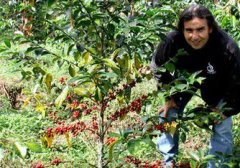
Comparison of three major coffee farms in Colombia: coffee varieties. Shading trees and fermentation treatment
Professional barista communication please follow the coffee workshop (Wechat official account cafe_style) this time is about three Colombian coffee farms, the first La Palma y El Tcan is attracted by their fermentation methods, the other Finca Santuario is because the author recently bought their love elixir, so want to know more, the third is Finca Santuario
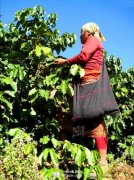
Brief introduction of Coffee knowledge Coffee planting techniques
1. The cultivation of strong coffee seedlings 1. The selection of nursery land is close to water source, convenient for transportation, loam or sandy loam with loose and fertile soil, deep soil layer, good drainage, paddy field with PH value of 66.5 or early nursery land, and close to coffee garden. Turn over 20cm30cm meters to make fire and burn the soil, hoe fine and remove stones, branches and roots before sieving, or use mountain humus, add 8-

Brazil Minas sun yellow bourbon coffee beans how to cook _ how to bake Brazilian yellow bourbon coffee beans?
Professional coffee knowledge exchange more coffee bean information Please pay attention to coffee workshop (Wechat official account cafe_style) Coffee was first introduced to Brazil in the early 18th century. In 1727 the Brazilian government sent a personable army officer to secretly bring coffee seeds from French Gaiana to Brazil on the ground of mediating border disputes. It is said that the wife of French Gaiana was deeply concerned about this.
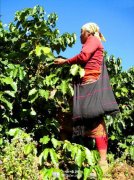
Cultivation techniques of High-quality Coffee trees
1. The cultivation of strong coffee seedlings 1. The selection of nursery land is close to water source, convenient for transportation, loam or sandy loam with loose and fertile soil, deep soil layer, good drainage, paddy field with PH value of 66.5 or early nursery land, and close to coffee garden. Turn over 20cm30cm meters to make fire and burn the soil, hoe fine and remove stones, branches and roots before sieving, or use mountain humus, add 8-

World Coffee Manor: detailed introduction and recommendation of several common estates to learn about the place where coffee grows
NO.1 giant elephant beans RMB:126 half a pound of the most authoritative coffee bean evaluation competition: COE award-winning manor Finca Buenos Aires produced, issued an order for roasting. Planted at an altitude of 1500 meters, the fruit is huge and full, the beans are hard, sweet and charming, regardless of size and flavor are close to Blue Mountain 1, also known as the Central American Blue Mountains. Giant elephant beans, much bigger than regular coffee beans, NO.2 beans
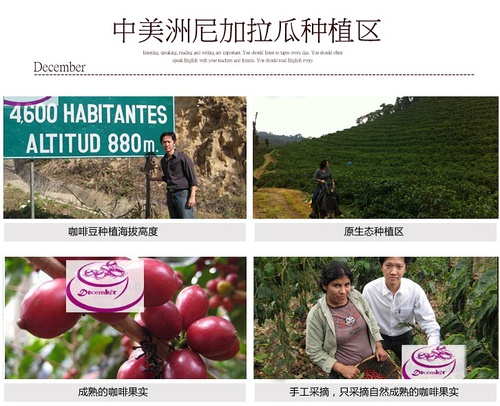
Coffee Manor introduction: detailed introduction of several major estates that have won the prize in the World COE Competition
NO.1 giant elephant beans RMB:126 half a pound of the most authoritative coffee bean evaluation competition: COE award-winning manor Finca Buenos Aires produced, issued an order for roasting. Planted at an altitude of 1500 meters, the fruit is huge and full, the beans are hard, sweet and charming, regardless of size and flavor are close to Blue Mountain 1, also known as the Central American Blue Mountains. Giant elephant beans, much bigger than regular coffee beans, NO.2 beans